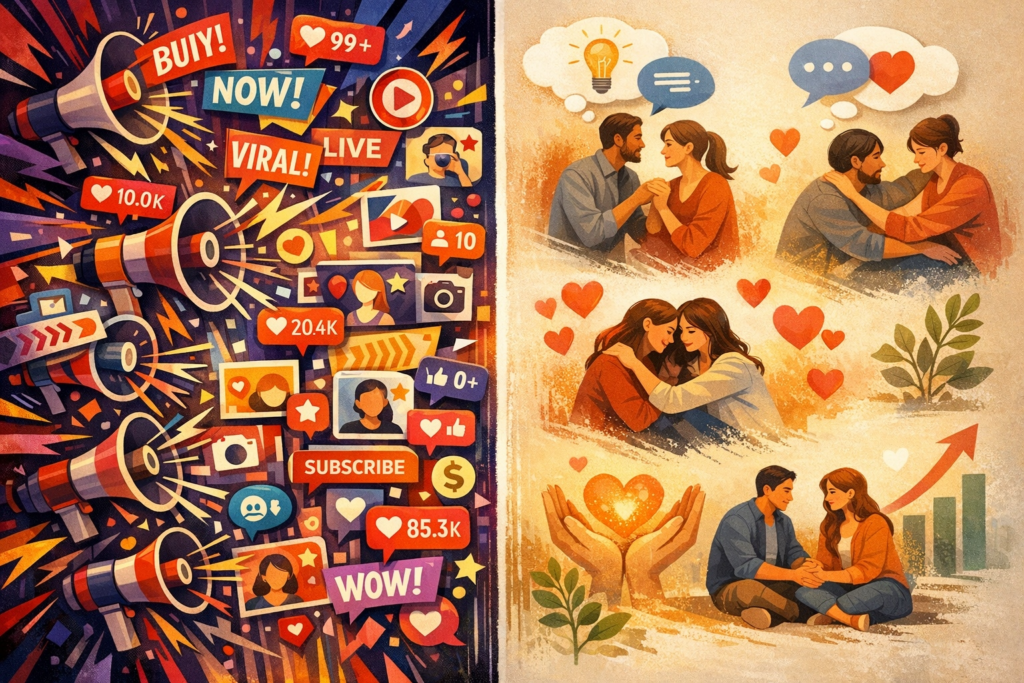

The Story of a Viral Brand That Still Lost Customers
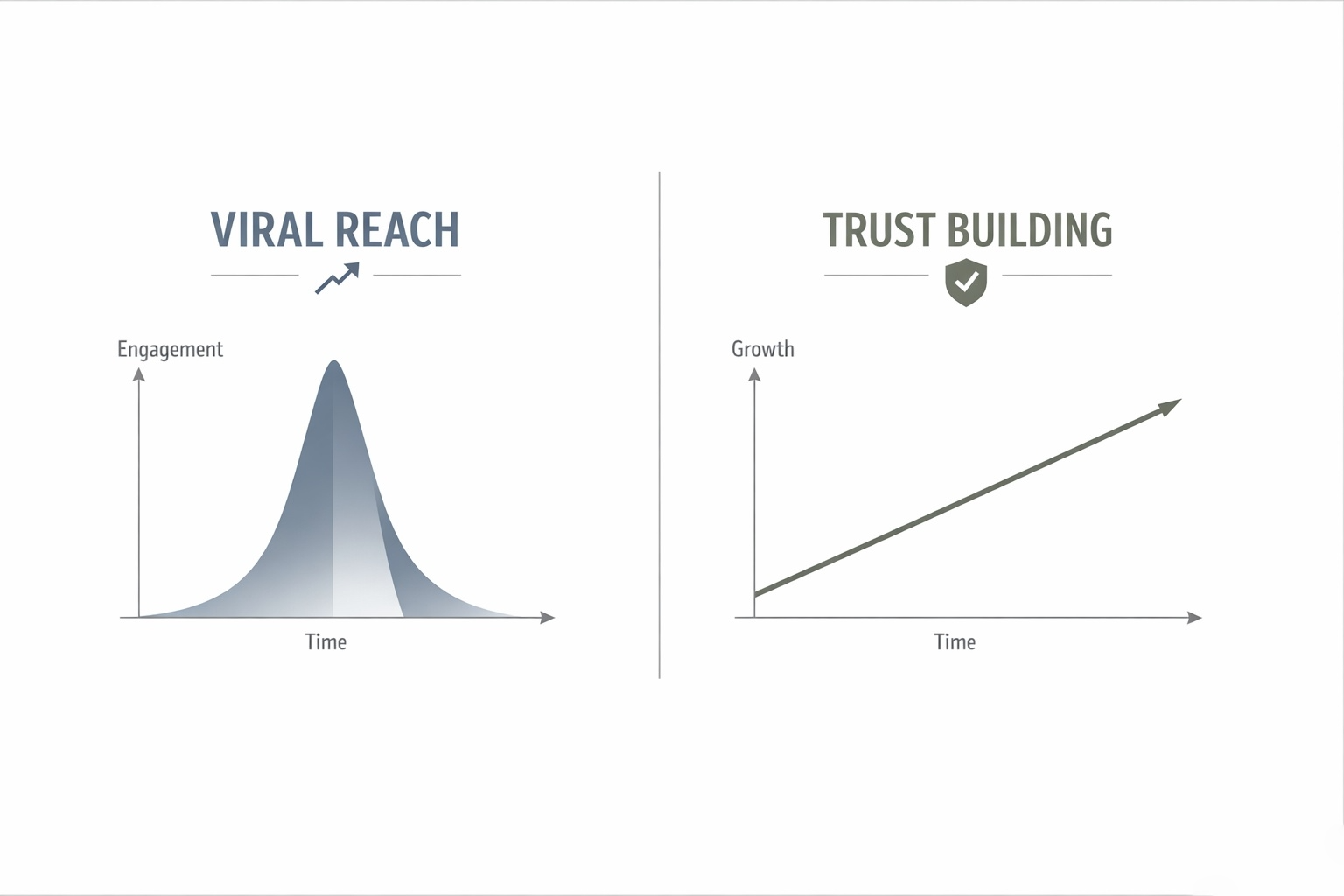 In 2024, a fast-growing D2C brand achieved what many marketers dream of: massive reach. Its campaign went viral, influencers amplified its message, and impressions crossed millions within days. The brand trended, news portals covered it, and its social media following skyrocketed.
Yet, something strange happened.
Despite record visibility, sales did not rise proportionately. Worse, online sentiment began to shift. Customers started questioning product quality, transparency, and authenticity. Review platforms filled with complaints, and social conversations turned sceptical.
The brand had reach, but it lacked trust.
Within months, the hype faded, competitors stepped in, and the brand struggled to retain customers. The lesson was clear: in 2026 and beyond, reach alone is not a sustainable growth strategy. Brands need trust more than reach in 2026.
This shift marks a new era of marketing, where credibility, consistency, and consumer confidence outweigh mere visibility.
The Strategic Shift
For years, marketing success was measured by reach, impressions, views, followers, and virality. The bigger the audience, the better the brand performance.
But consumer behaviour has evolved.
Today’s audiences are smarter, more sceptical, and more discerning. They don’t just consume content; they analyse it. They research before purchasing, compare brands, read reviews, and assess credibility.
This is why brands need trust more than reach in 2026.
Trust determines whether consumers will:
- Believe in a brand’s message
- Choose it over competitors
- Stay loyal over time
- Recommend it to others
Reach can make a brand visible. Trust makes it valuable.
The Trust vs. Reach Debate: What Really Drives Growth?
Reach-Focused Strategy |
Trust-Focused Strategy |
| Maximizing impressions | Building credibility |
| Short-term virality | Long-term loyalty |
| Heavy influencer marketing | Authentic brand advocacy |
| Mass advertising | Meaningful engagement |
| Quantity of visibility |
Quality of relationships |
Brands that prioritise trust don’t chase trends, they shape them. They don’t rely on gimmicks; they invest in consistency.
This is why brands need trust more than reach in 2026 to achieve sustainable success.
How Digital Transformation Strengthens the Need for Trust
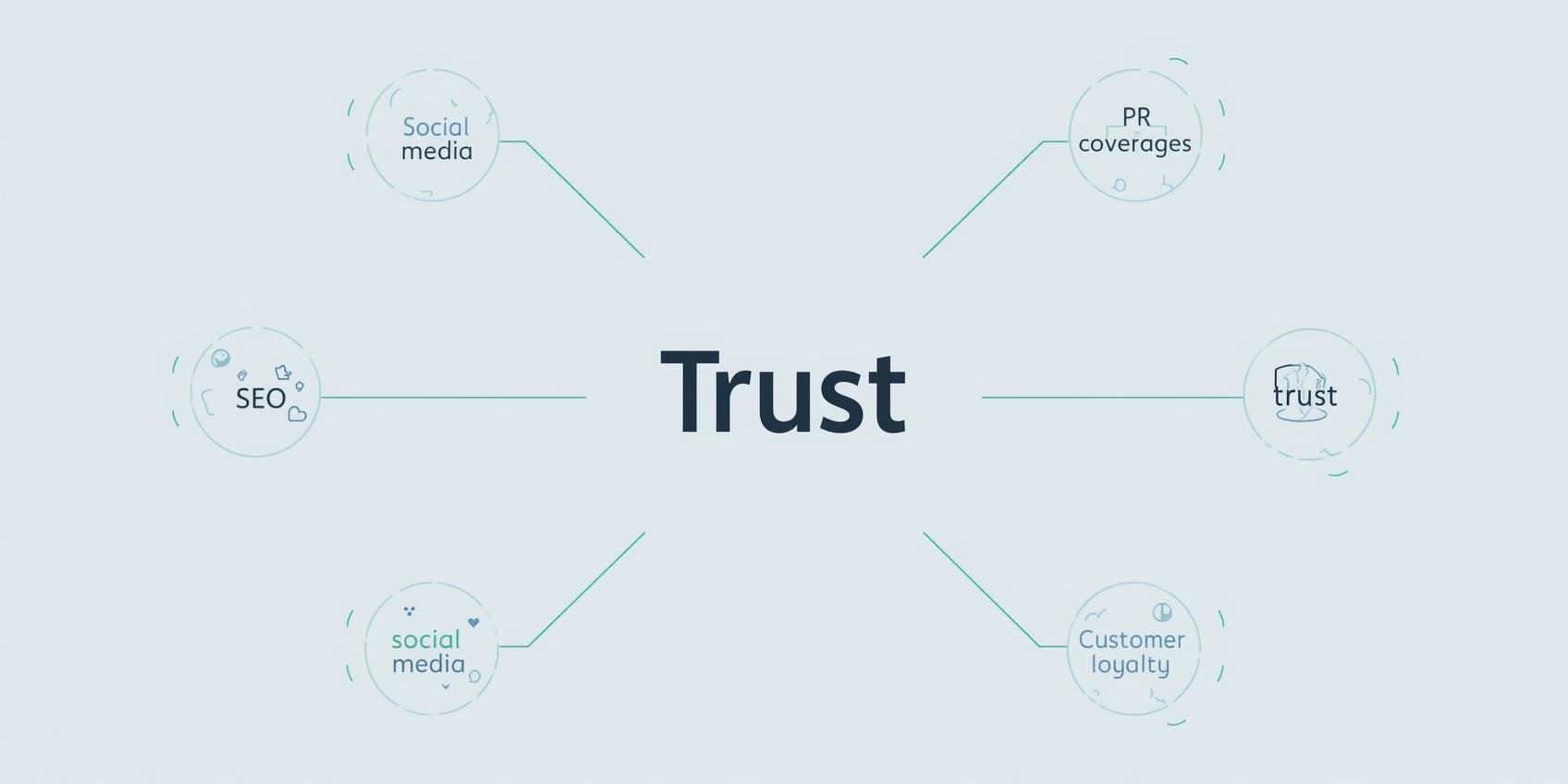
The digital ecosystem in 2026 is more fragmented than ever. Consumers interact with brands across social media, search engines, websites, influencer content, and PR coverage.
In this environment, trust becomes the glue that connects all touchpoints.
A brand with strong trust will perform better in:
- Social media engagement
- Organic search credibility
- Influencer collaborations
- Media reputation
- Customer retention
Trust also reduces marketing costs over time because loyal customers require less persuasion and generate more word-of-mouth advocacy.
Real-Life Example
Patagonia: Trust Over Reach
Patagonia is a powerful example of a brand that prioritises trust over reach.
Instead of aggressively marketing its products, Patagonia focuses on transparency, sustainability, and ethical practices. The brand openly communicates its environmental impact, encourages responsible consumption, and even advises customers to buy less.
This approach has built immense trust among its audience. Patagonia may not always chase viral campaigns, but its loyal customer base is strong, vocal, and deeply committed.
This proves why brands need trust more than reach in 2026; ethical positioning builds lasting brand equity.
Amul: Trust as a Cultural Advantage
In India, Amul has built decades of trust through consistent quality, relatable communication, and cultural relevance. Its iconic Amul Girl campaigns are not just witty; they reflect public sentiment and societal trends.
Amul does not rely solely on massive digital reach. Instead, it leverages credibility, consistency, and emotional connection.
As a result, Amul remains one of the most trusted brands in India, demonstrating that trust-driven branding outperforms reach-driven marketing.
Why Brands Need Trust More Than Reach in 2026 for PR and Reputation
In 2026, PR is not just about media coverage; it is about narrative credibility.
A brand with strong trust will:
- Handle crises better
- Gain positive media perception
- Build stronger journalist relationships
- Influence public opinion more effectively
Reach may help a brand get noticed, but trust determines how it is remembered.
This is particularly important in sectors like finance, healthcare, e-commerce, and sustainability, where credibility directly impacts consumer decisions.
A Subtle Anima Marcomm Perspective
Trust as the Foundation of Modern Communication
When evaluating brand trust vs reach in 2026, the most successful companies are those that treat trust as a strategic asset rather than an afterthought. In today’s saturated market, the shift from Brand Trust vs Reach is the most significant change in how companies engage with their customers. At Anima Marcomm, we believe that modern PR and digital marketing are no longer just about amplification; they are about alignment, the bridge between brand values, consumer expectations, and real-world actions. This is exactly what we focus on across all our Digital Marketing Services.
At its core, the brand trust vs reach dynamic is best managed through the Anima Marcomm approach to effective communication:
-
Listening before speaking: Prioritising market pulse over noise to ensure that the Brand Trust vs Reach ratio always favours long-term credibility.
-
Understanding before persuading: Building a foundation of empathy.
-
Building relationships before pushing sales: Cultivating long-term loyalty.
The most impactful brands prioritise brand trust vs reach because they don’t just want to find audiences; they want to resonate with them. Through the lens of Anima Marcomm, we ensure brands don’t just tell stories, they earn belief. This strategy reflects the evolving role of communications in shaping brand perception, proving that when it comes to Brand Trust vs Reach, authenticity will always outweigh sheer visibility. If you want to transform your brand’s presence in 2026, contact the Anima Marcomm team to start the conversation.
How Brands Can Build Trust in 2026
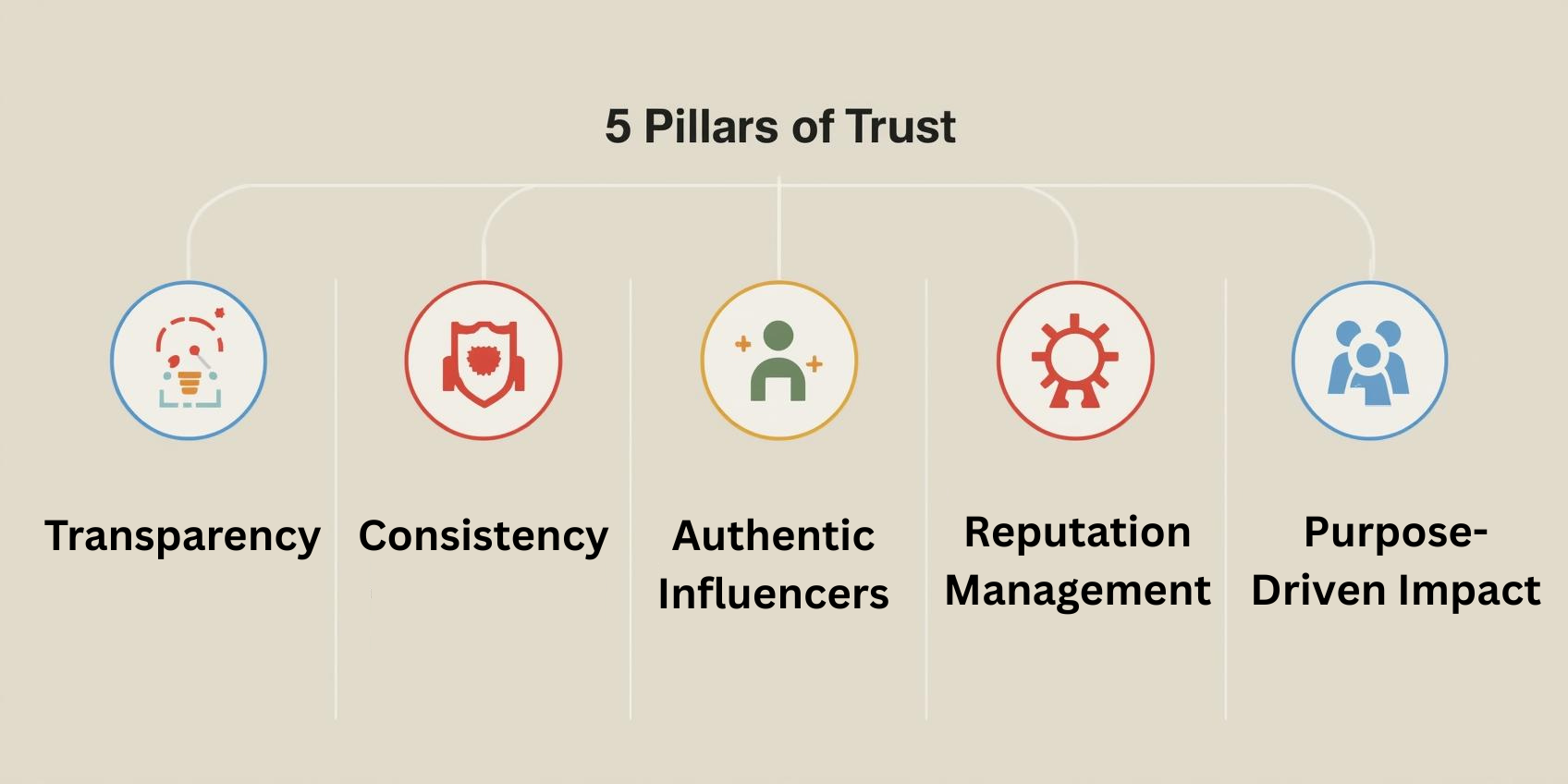
To ensure that brands need trust more than reach in 2026 is not just a theory but a practice; companies should focus on:
1. Transparency in Communication
Be honest about products, policies, and limitations.
2. Consistency Across Channels
Align messaging across social media, PR, and digital marketing.
3. Authentic Influencer Partnerships
Work with creators who genuinely believe in the brand.
4. Strong Reputation Management
Actively monitor and address customer feedback.
5. Purpose-Driven Branding
Demonstrate real impact beyond profits.
The Final Takeaway
The marketing landscape has fundamentally changed.
In 2026, visibility is easy, credibility is hard.
Brands can buy reach, but they must earn trust.
Trust drives loyalty. Loyalty drives revenue. Revenue drives growth.
A brand with trust will outperform a brand with only reach, every single time.
The future belongs to brands that prioritise integrity, authenticity, and meaningful connection over fleeting attention.
Because in 2026, trust is not just nice to have; it is the most powerful competitive advantage.