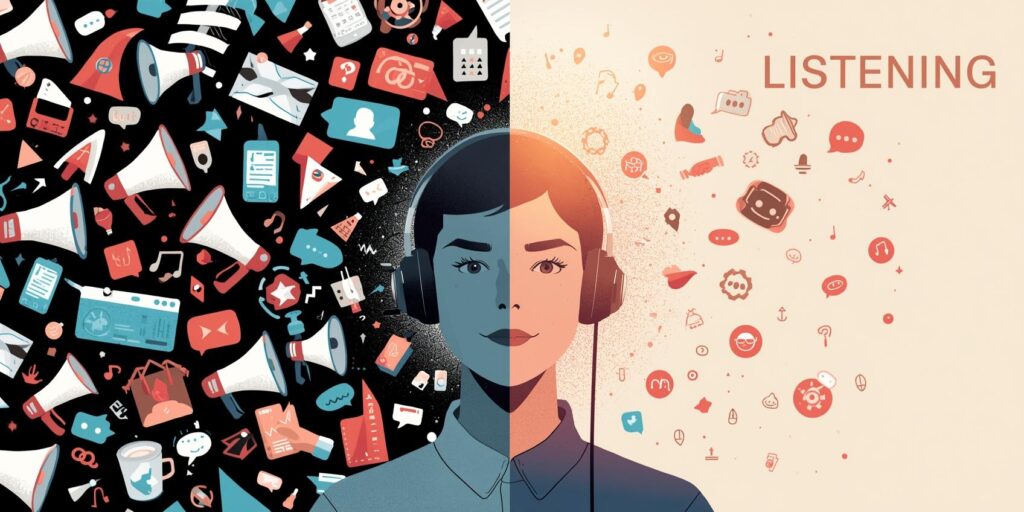

The Story of a Brand That Almost Lost Its Voice; Until It Chose to Listen
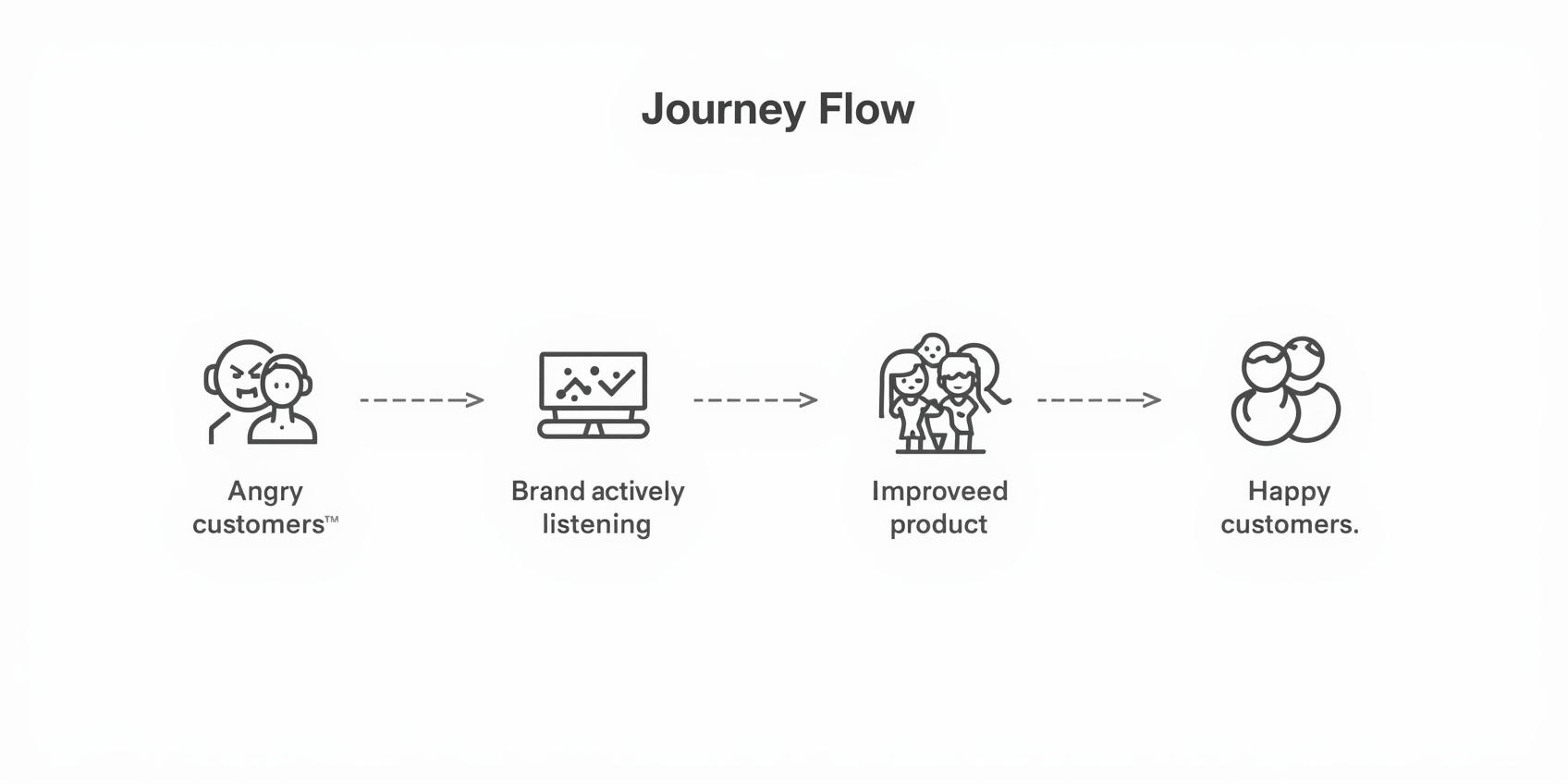
Brand Listening vs Speaking
A few years ago, a popular consumer brand launched a high-budget campaign across TV, social media, and digital platforms. The visuals were stunning, the messaging was bold, and the media spend was massive. Yet, within days, the campaign backfired. Consumers flooded social media with criticism, saying the brand was “out of touch,” “tone-deaf,” and “trying too hard.”
Instead of doubling down, the brand did something rare: it paused. It stepped back from speaking and started listening.
The marketing team analysed customer conversations, tracked sentiment, and engaged in meaningful two-way communication. Within weeks, they relaunched a revised campaign that directly reflected customer concerns. This time, the response was overwhelmingly positive. Sales improved, brand trust increased, and the brand emerged stronger.
This is the power of brands that listen. In the modern marketplace, the tension between Brand Listening vs Speaking determines whether a company resonates or vibrates out of tune with its audience.
In today’s hyper-connected digital ecosystem, marketing is no longer a monologue; it is a dialogue. Brands that listen win because they build trust, relevance, and emotional connection, while brands that speak without listening risk losing credibility.
Why Brands That Listen Build Stronger Trust
Trust is the foundation of modern branding, and brands that listen naturally earn more of it.
Consumers today are more informed, opinionated, and vocal than ever. They expect brands to acknowledge feedback, adapt to their needs, and engage authentically. When a brand actively listens, through social listening tools, customer surveys, reviews, and direct engagement, it signals respect for its audience.
Listening transforms marketing from persuasion to partnership.
Instead of pushing messages onto consumers, brands that listen shape their messaging around real consumer insights. This leads to better campaigns, stronger brand loyalty, and higher lifetime customer value.
The Shift from Speaking-Led to Listening-Led Marketing
Traditional marketing was dominated by brands that speak loudly, frequently, and often without real consumer engagement.
However, digital transformation has flipped the model.
Listening-led marketing prioritises:
- Monitoring social conversations
- Understanding audience sentiment
- Analysing feedback before strategising
- Co-creating content with consumers
- Adapting brand voice based on real insights
Brands that listen use data, insights, and storytelling in harmony. They don’t just broadcast; they participate in conversations.
This shift is mighty in PR, digital marketing, and brand communications, where perception matters more than ever.
Brands That Listen vs. Brands That Speak: A Clear Difference

Analysis: The Fundamental Differences in Brand Listening vs Speaking
Brands That Speak |
Brands That Listen |
| One-way communication | Two-way engagement |
| Focus on selling | Focus on understanding |
| Reactive crisis response | Proactive reputation building |
| Generic messaging | Personalized storytelling |
| Campaign-driven | Community-driven |
This is why brands that listen consistently outperform those that only speak.
Real-Life Example
Starbucks: Listening to Community, Not Just Selling Coffee
Starbucks is a strong example of a brand that listens.
When customers raised concerns about sustainability, ethical sourcing, and environmental impact, Starbucks didn’t ignore them. Instead, the brand responded by introducing more sustainable packaging, plant-based options, and transparent sourcing policies.
By listening, Starbucks strengthened its emotional connection with consumers and positioned itself as a responsible, customer-conscious brand rather than just a coffee seller.
This approach reinforced why brands that listen win in the long run.
Netflix: Mastering the Art of Listening on Social Media
Netflix has built one of the most successful social media presences by being a brand that listens.
Instead of just promoting shows, Netflix actively engages with audience reactions, memes, and conversations. It adapts its tone based on viewer sentiment, participates in trending discussions, and personalises its communication.
This listening-led strategy has helped Netflix create a relatable, human, and culturally relevant brand identity, proving that listening leads to stronger engagement and loyalty.
While Starbucks uses these insights for product development, Netflix proves that Brand Listening vs Speaking can also be applied to social media persona and community management.
A Subtle Anima Marcomm Perspective
Listening as the Core of Modern PR
At Anima Marcomm, we believe the fundamental shift in brand listening vs speaking is what defines powerful branding today; it is built through a deeper understanding rather than louder messaging. In the modern landscape, the balance of brand listening vs speaking means PR is no longer just about press releases; it is about understanding narratives, shaping perceptions, and aligning brand voice.
By balancing Brand Listening vs Speaking, Anima Marcomm ensures that brands are better positioned to:
-
Craft authentic stories that resonate on a human level.
-
Manage reputation effectively by identifying sentiment before it shifts.
-
Build long-term trust through consistent, empathetic engagement.
This framework proves that the traditional model of communication is evolving, placing Brand Listening vs Speaking at the heart of every successful PR campaign
Instead of treating communication as a megaphone, forward-thinking agencies recognise that effective brand listening vs. speaking turns communication into a conversation that requires empathy and insight. This listening-first mindset is the cornerstone of the Anima Marcomm approach to Brand Listening vs Speaking, separating truly impactful brand communication from generic, short-lived publicity. Ready to build a strategy based on trust? Contact the Anima Marcomm team to get started.
How Brands Can Become Better Listeners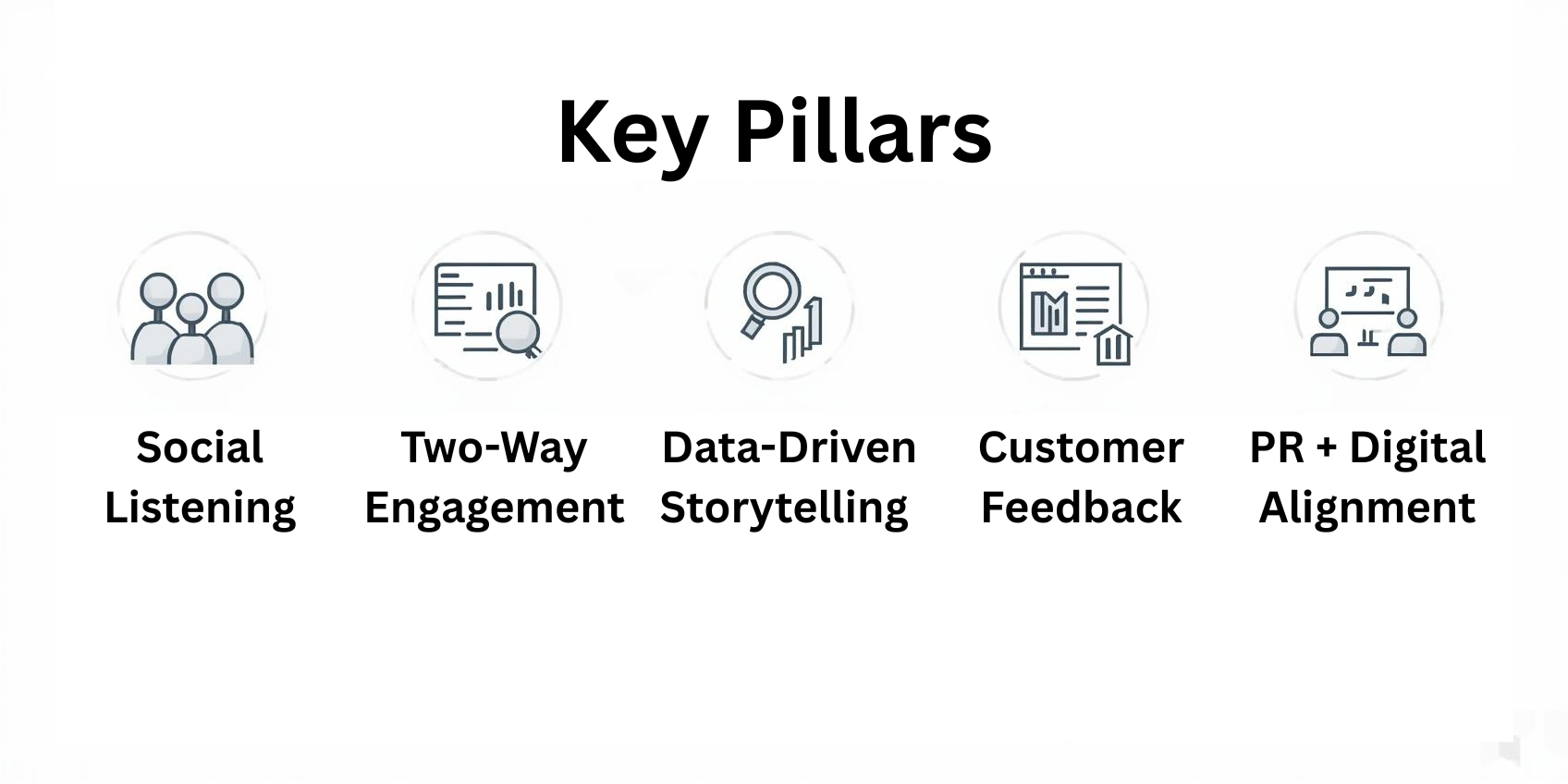
To evolve into brands that listen, companies should adopt the following strategies:
1. Invest in Social Listening Tools
Monitoring online conversations helps brands understand consumer sentiment in real time.
2. Engage, Don’t Just Broadcast
Reply to comments, acknowledge feedback, and create meaningful interactions.
3. Use Data to Drive Storytelling
Combine analytics with creativity to shape more relevant brand narratives.
4. Prioritise Customer Feedback
Use surveys, reviews, and direct engagement to refine strategies.
5. Align PR and Digital Marketing
Ensure consistent messaging across all communication channels.
Why Brands That Listen Win in the Digital Age
The digital landscape rewards brands that listen.
Consumers no longer tolerate one-way communication. They want brands that understand their values, concerns, and aspirations. Brands that listen create stronger emotional bonds, improve reputation, and achieve sustainable growth.
Speaking may grab attention, but listening builds loyalty.
In a world where every voice matters, brands that listen don’t just survive, they thrive.
Final Thought
The future of branding belongs to brands that listen.
Those who master the art of listening will lead conversations, shape culture, and build lasting trust—those who continue to speak risk becoming irrelevant.
In modern marketing, the mastery of Brand Listening vs Speaking is not just a strategy; it is a definitive competitive advantage.