
Brand Credibility Strategy
As we enter the new financial year, many businesses are realising that visibility alone isn’t enough to sustain growth. To truly stand out in 2026, you need a robust brand credibility strategy that goes beyond mere awareness and builds genuine trust with your audience.
The Day a High-Visibility Brand Realised It Needed Credibility
At the end of the last financial year, a well-funded digital-first brand sat in a boardroom reviewing its performance. The dashboards looked impressive.
Impressions: up.
Reach: at an all-time high.
Follower count: growing steadily.
Ad recall: strong.
On paper, the brand was winning.
Yet when the leadership team looked more closely, an uncomfortable truth emerged. Customer retention was weak. Repeat purchases were declining. Negative reviews were slowly increasing. Journalists were hesitant to feature the brand beyond paid stories. Investors were asking tougher questions about sustainability and trust.
The brand had achieved visibility, but not credibility.
That moment triggered a strategic reset. Instead of chasing more impressions in the new financial year, the brand decided to invest in a long-term Brand Credibility Strategy centred on trust, transparency, and narrative.

Why You Need a Brand Credibility Strategy in 2026
For years, marketing success was measured by visibility metrics, impressions, reach, clicks, and virality. Brands competed to be seen, heard, and shared.
But in 2026, visibility is no longer the competitive edge. It is the baseline.
Consumers today are overloaded with content. They are not impressed by brands that are everywhere; they are influenced by brands that feel real, reliable, and responsible.
This is why From Visibility to Credibility: What Brands Should Focus on in the New Financial Year is not just a theme; it is a strategic necessity.
Credibility determines whether visibility converts into:
- Trust
- Loyalty
- Advocacy
- Long-term business growth
Visibility gets attention. Credibility earns belief.
Why Visibility Alone Is No Longer Enough for Your Brand Credibility Strategy
The digital ecosystem rewards frequency, but consumers reward authenticity. This is why a modern brand credibility strategy must look beyond just being seen.
Many brands fall into the trap of thinking that more content equals more impact. They increase ad spend, collaborate with more influencers, and push aggressive promotional messaging. However, without a foundational brand credibility strategy, this aggressive visibility approach leads to:
-
Short-term spikes, not long-term growth
-
High acquisition costs that eat into margins
-
Low customer lifetime value due to a lack of trust
-
Weak brand differentiation in a crowded market
Moving from visibility to credibility in the new financial year means shifting your priorities. It’s about moving from “How many people saw us?” to “How many people trust us?” by refining your brand credibility strategy to focus on long-term influence rather than temporary reach.
Steps to Building a Winning Brand Credibility Strategy
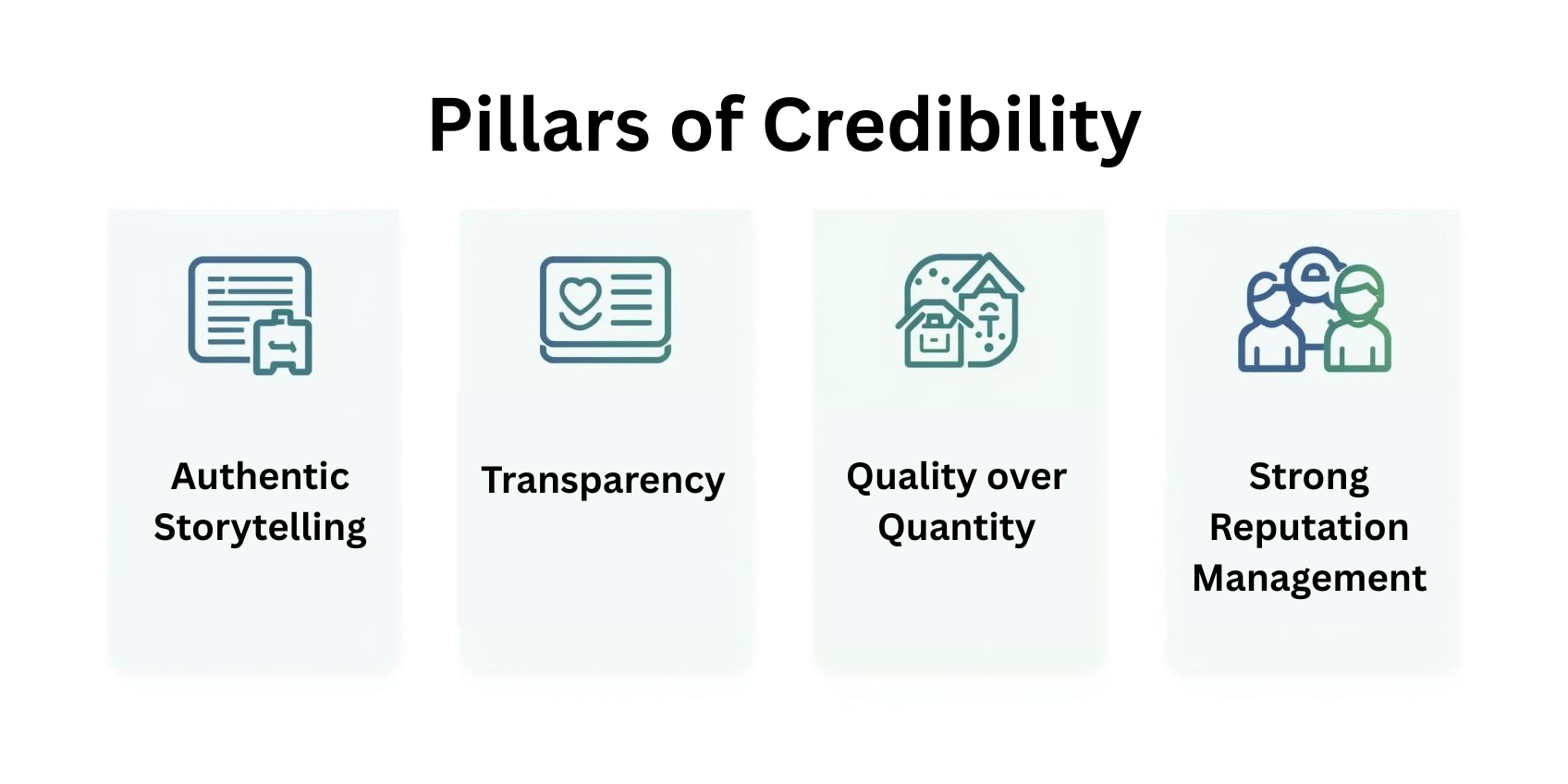
To make this transition, brands should centre their strategy around four key pillars:
1. Authentic Storytelling Over Loud Advertising
Consumers connect with brands that have a clear purpose and consistent narrative. Instead of shouting about products, brands should focus on why they exist and the impact they create.
2. Transparency as a Business Strategy
Credible brands are open about their processes, challenges, and commitments. Whether it’s sustainability, pricing, or sourcing, transparency builds trust.
3. Quality Over Quantity in Content
Instead of flooding platforms with content, brands should create fewer but more meaningful pieces that educate, inspire, or add value.
4. Strong Reputation Management
Listening to customer feedback, addressing concerns, and maintaining consistent communication are critical in building credibility.
Real-Life Example
Why Global Leaders Prioritize a Brand Credibility Strategy over Pure Reach
Tata Group: Credibility as a Core Asset
In India, the Tata Group stands as one of the strongest examples of credibility-driven branding.
Tata has consistently positioned itself as a responsible, ethical, and people-first organisation. Whether in business practices, corporate governance, or social impact, the brand has built trust over decades.
Even in highly competitive markets, Tata’s credibility gives it a significant advantage. Consumers are more willing to choose Tata products and services because they believe in the brand.
Patagonia: Purpose Before Promotion
Patagonia does not pursue visibility for its own sake. Instead, it focuses on environmental responsibility, ethical manufacturing, and transparent communication.
The brand has even encouraged customers to buy less, a counterintuitive but credibility-building move. As a result, Patagonia enjoys deep loyalty and strong brand advocacy.
This proves that credibility can be a more powerful growth driver than aggressive visibility tactics.
From Visibility to Credibility: What Brands Should Focus on in the New Financial Year for PR and Digital Marketing
In 2026, PR is no longer just about media coverage; it is about shaping perception.
Brands with credibility are better positioned to:
- Gain organic media attention
- Handle crises effectively
- Build stronger journalist relationships
- Influence public opinion positively
Similarly, in digital marketing, a cohesive Brand Credibility Strategy improves:
- Engagement rates
- Conversion rates
- Customer retention
- Brand advocacy
Visibility may bring users to the brand, but credibility keeps them there.
A Subtle Anima Marcomm Perspective:
Credibility as the Foundation of Modern Brand Communication
From a contemporary communications standpoint at Anima Marcomm, the most impactful brands are those that treat credibility as a long-term investment rather than a short-term tactic. We believe that in an era of misinformation and algorithm-driven hype, audiences crave brands that feel honest and human.
At Anima Marcomm, we help brands navigate this landscape by shifting how they think about storytelling, reputation, and engagement. Effective brand communication today is about:
-
Aligning words with actions to ensure brand integrity.
-
Listening as much as speaking to foster genuine community.
-
Building relationships rather than just chasing audience numbers.
-
Creating narratives that feel authentic, not manufactured.
The transition from visibility to credibility reflects a broader evolution in marketing, from amplification to alignment and from attention to authenticity. Through our specialised approach at Anima Marcomm, we ensure your brand focuses on the elements that build lasting trust in the new financial year.
What Brands Should Prioritise in the New Financial Year
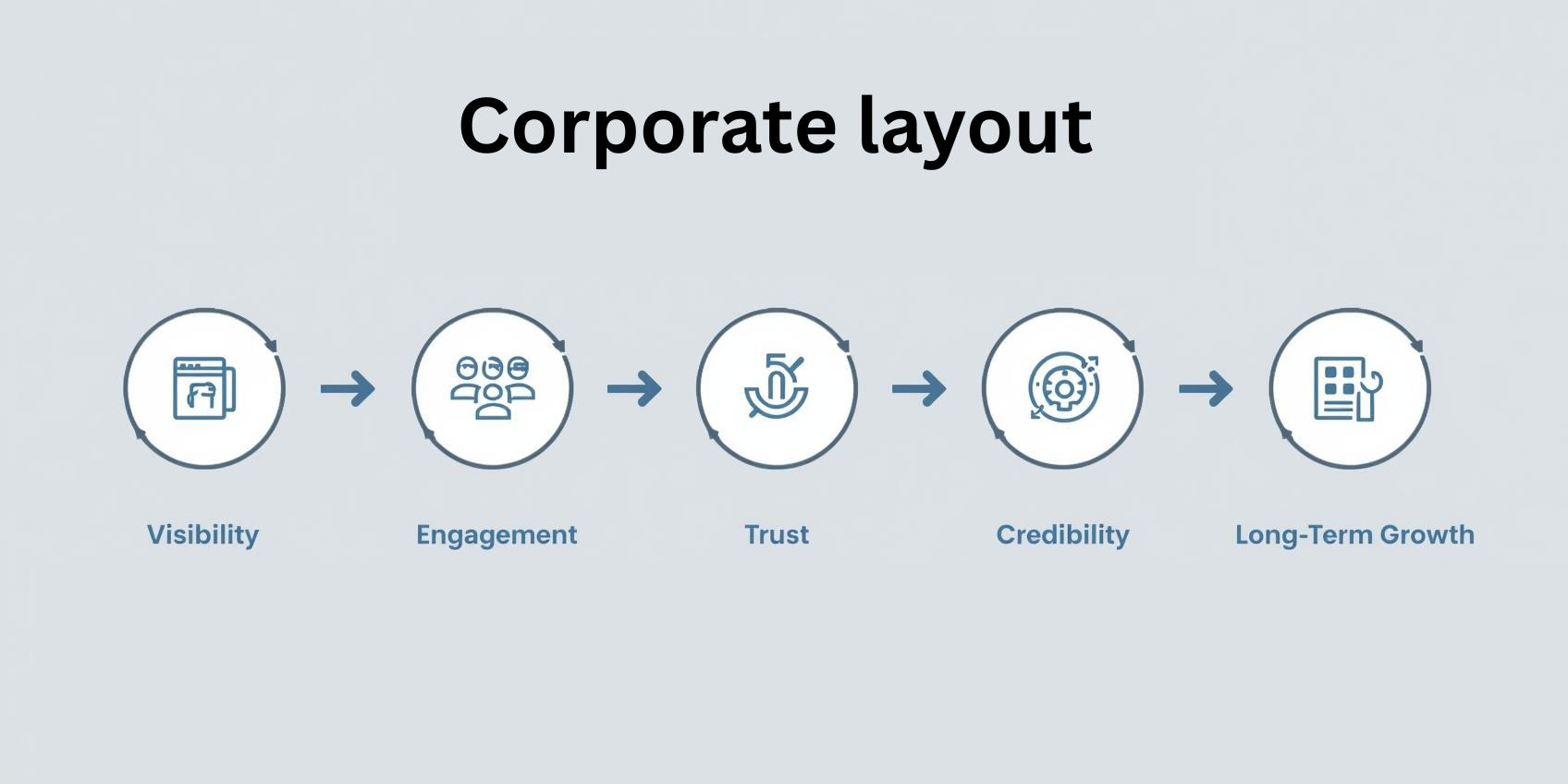
To successfully move from visibility to credibility, brands should focus on:
1. Strengthening Brand Purpose
A clear, genuine purpose builds emotional connection and trust.
2. Investing in Thought Leadership
Sharing insights, expertise, and industry perspectives positions brands as credible voices.
3. Building Community, Not Just Audience
Engaging in meaningful conversations fosters loyalty and advocacy.
4. Integrating PR and Digital Strategy
Consistent messaging across media, social, and owned channels enhances credibility.
5. Measuring Trust, Not Just Reach
Brands should track sentiment, trust scores, and customer loyalty alongside traditional marketing metrics.
The Final Takeaway
The new financial year is not about being louder; it is about being stronger. While visibility can be bought, a true brand credibility strategy must be earned through consistent action and transparency.
Brands that focus on trust and authentic storytelling will consistently outperform those that only chase impressions. By prioritising a long-term brand credibility strategy, you will build deeper relationships, stronger reputations, and more sustainable growth.
In 2026, success is not defined by how many people see a brand, but by how many believe in it. Ultimately, a well-executed brand credibility strategy ensures that your brand holds the most powerful currency in the modern market: trust.