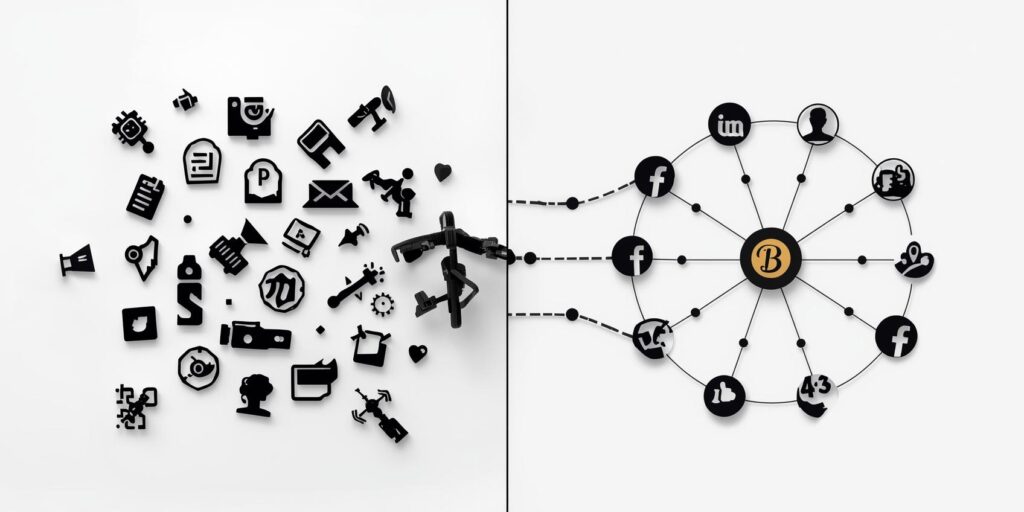

The Launch That Proved PR and Digital Marketing Can No Longer Work in Silos
PR and Digital Marketing Integration The product launch looked flawless on paper.
The digital marketing team had built a high-impact campaign, influencers lined up, teaser videos scheduled, performance ads optimised, and landing pages ready. Engagement spiked within hours. The hashtag trended. Early traffic numbers were promising.
At the same time, the PR team secured media coverage in top publications. Interviews were arranged, press releases distributed, and leadership quotes positioned around innovation and category disruption.
Individually, both teams succeeded.
Collectively, the brand faltered.
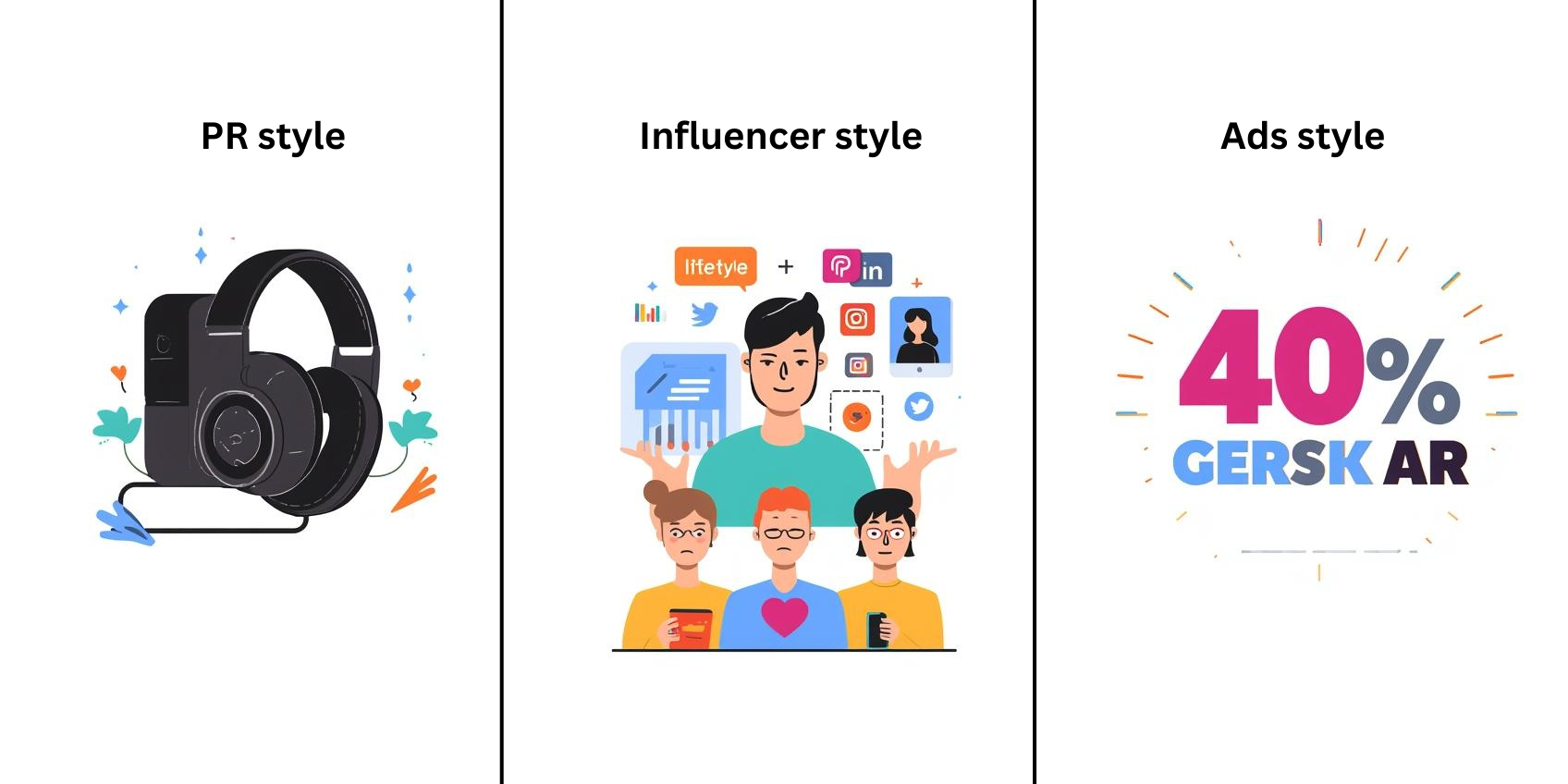
Journalists described the product as premium and technical. Influencers framed it as fun and lifestyle-driven. Ads positioned it as affordable and accessible. Consumers were confused: What exactly is this brand?
The campaign generated visibility, but not clarity.
The leadership team quickly realised the root issue: a total lack of PR and Digital Marketing Integration had led them to operate in silos, creating fragmented storytelling across channels
That moment captured a defining truth of modern branding: Why PR and Digital Marketing Can No Longer Work in Silos.
Why PR and Digital Marketing Can No Longer Work in Silos in the Modern Media Ecosystem
The communication landscape has fundamentally changed.
Consumers no longer distinguish between “earned media” and “owned media,” or between “PR” and “social content.” They encounter brands through a continuous stream of touchpoints: news articles, Instagram reels, search results, influencer posts, brand websites, and online reviews.
To the audience, it is all one experience.
This is why Why PR and Digital Marketing Can No Longer Work in Silos has become critical. When messaging differs across channels, brand perception fragments. When messaging aligns, brand identity strengthens.
In 2026, integrated communication is not an advantage; it is a requirement.
Unified Narratives: The Core Benefit of PR and Digital Marketing Integration
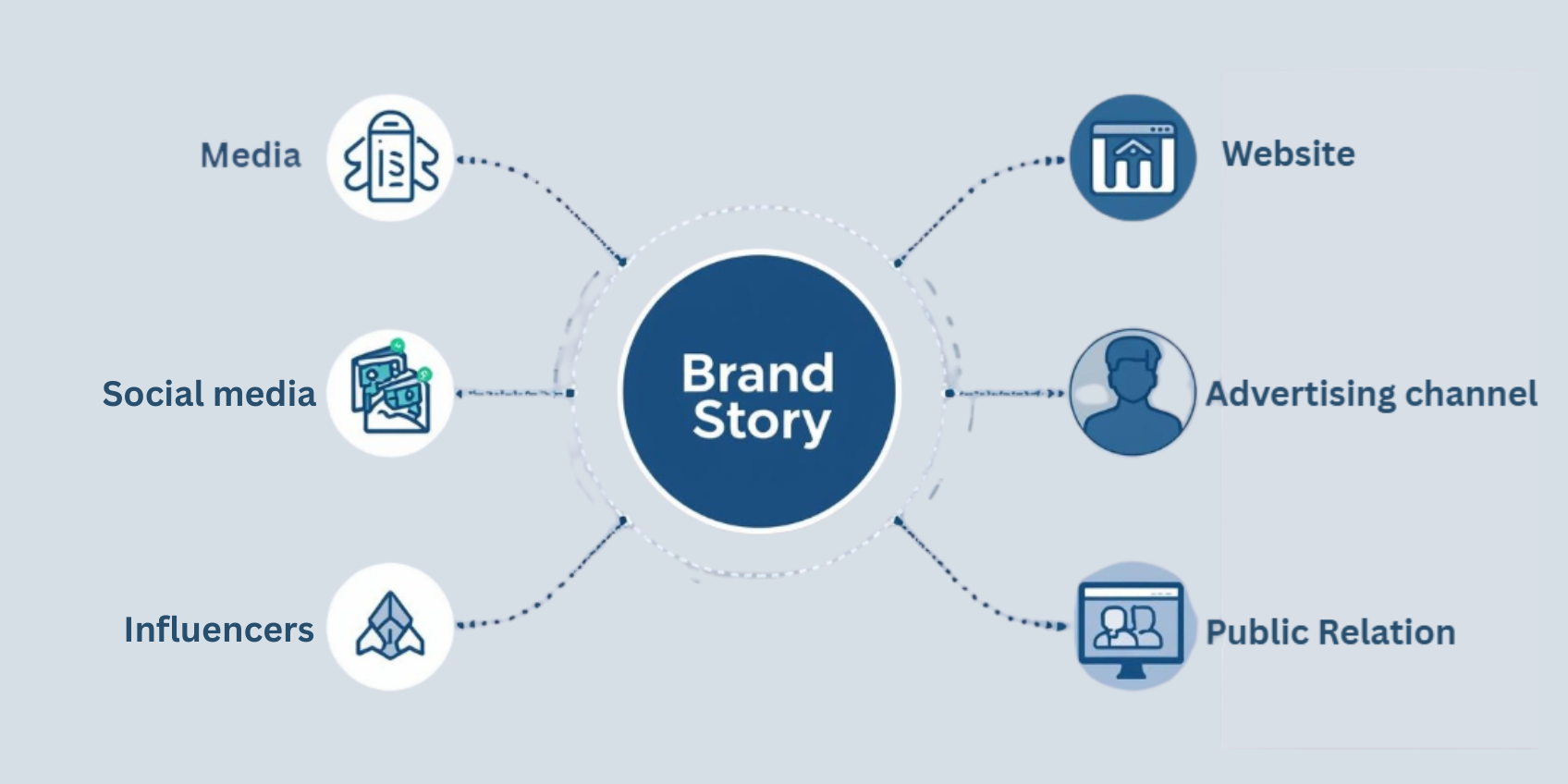
Modern brands compete not just on products or services, but on narrative.
A brand narrative is the cohesive story that connects purpose, value, personality, and promise across all communication channels. PR shapes this narrative through credibility and media storytelling. Digital marketing amplifies it through reach, engagement, and interaction.
When these functions operate separately, narratives diverge. When they collaborate, narratives compound.
This explains Why PR and Digital Marketing Can No Longer Work in Silos, because consistency is the foundation of trust.
Why PR and Digital Marketing Can No Longer Work in Silos: Audience Expectations Have Evolved
Today’s audiences are hyper-connected and highly perceptive. They move fluidly between platforms, comparing messages and forming impressions quickly.
If a brand’s media interview emphasises sustainability but its ads focus purely on discounts, credibility weakens. If social content feels playful while press coverage sounds corporate, authenticity suffers.
Audiences expect brands to sound like themselves everywhere.
This expectation reinforces why PR and Digital Marketing Can No Longer Work in Silos, because brand voice must remain consistent across media, social, and digital touchpoints.
Real-Life Example
Nike’s Integrated Storytelling Power
Nike is a global example of seamless PR and digital integration.
When Nike launches a campaign around empowerment or athlete stories, the same narrative appears across:
- Media features
- Athlete partnerships
- Social content
- Video campaigns
- Brand platforms
PR builds credibility through storytelling in the media. Digital marketing amplifies those stories through emotional visuals and engagement.
The result is a unified perception: Nike as a brand of ambition and belief.
This demonstrates why PR and Digital Marketing Integration, as well as integrated storytelling, strengthen identity.
A Fintech Startup That Aligned PR and Digital
A fintech startup initially ran separate PR and digital strategies. PR emphasised trust, compliance, and financial expertise. Digital campaigns promoted ease of use and quick onboarding.
Customers perceived inconsistency. Was the brand serious and secure, or fast and casual?
The company later aligned both functions around a single narrative: accessible financial confidence. PR stories highlighted real customer empowerment, while digital campaigns showcased simplicity backed by credibility.
Trust metrics improved, app downloads increased, and media sentiment strengthened.
The turnaround proved PR and Digital Marketing Integration; integration converts attention into belief.
Why PR and Digital Marketing Can No Longer Work in Silos: Data Meets Credibility
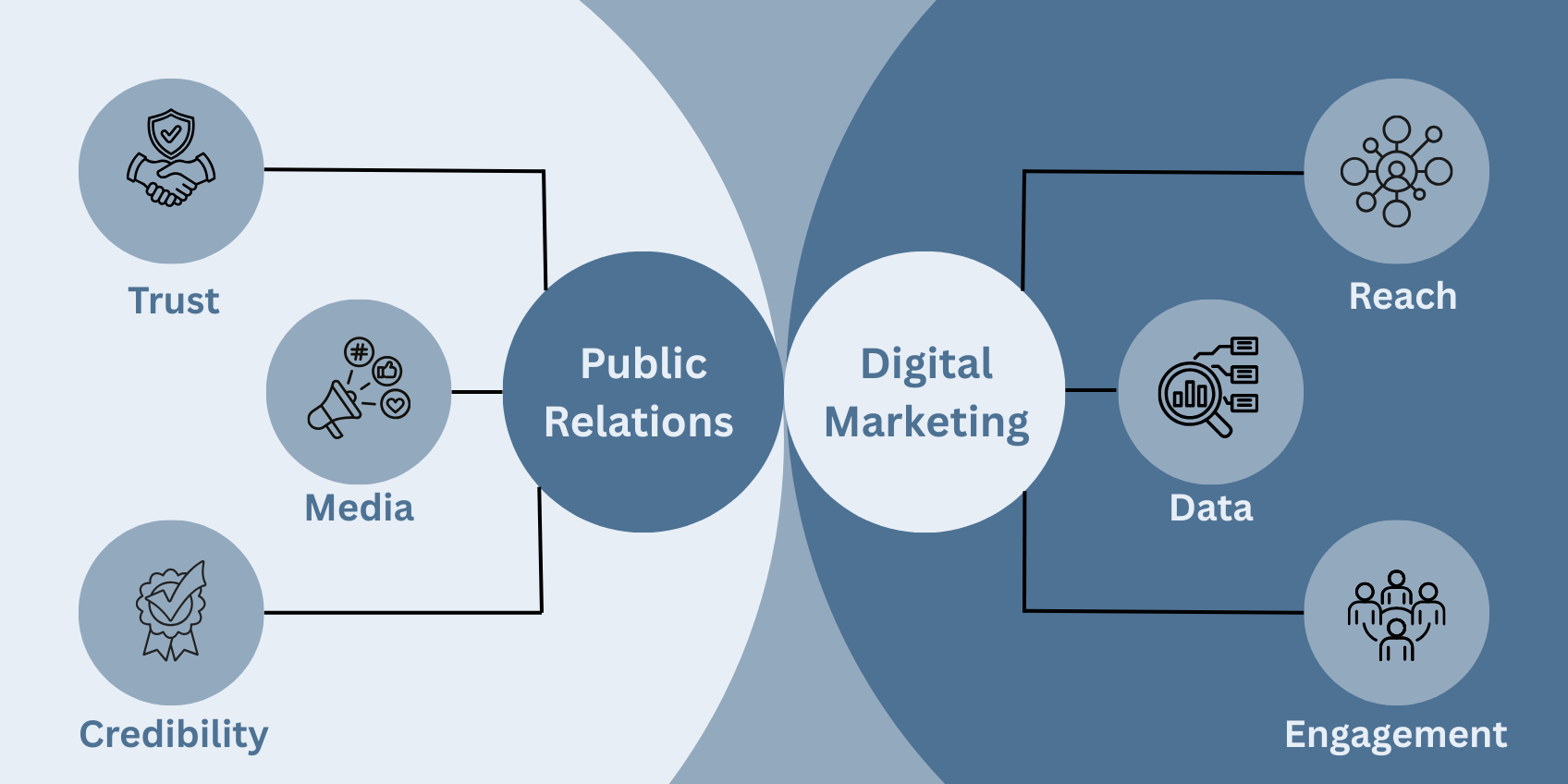
Digital marketing excels in data, audience behaviour, engagement patterns, and conversion insights. PR excels in perception, reputation, authority, and trust.
When combined, brands gain a strategic advantage:
- Data-driven storytelling
- Insight-led media narratives
- Targeted reputation building
- Measurable brand perception
Digital informs PR about what audiences care about. PR gives digital content depth and credibility.
This synergy illustrates again Why PR and Digital Marketing Can No Longer Work in Silos in modern strategy.
Why PR and Digital Marketing Can No Longer Work in Silos in Crisis and Reputation Management
In crises, misalignment becomes dangerous.
If PR issues a serious statement while social channels continue promotional content, brands appear insensitive. If digital messaging contradicts media narratives, confusion spreads quickly.
Integrated communication ensures:
- Consistent tone
- Coordinated messaging
- Faster response
- Stronger trust recovery
Crisis management often reveals organisational truth, and repeatedly shows Why PR and Digital Marketing Can No Longer Work in Silos.
Ultimately, the speed of modern social media means that a pre-planned PR and Digital Marketing Integration strategy is the only way to protect a brand’s reputation during a crisis
A Subtle Anima Marcomm Perspective
Integration as Strategic Maturity
From a contemporary communications standpoint at Anima Marcomm, the evolution from siloed functions to integrated communication reflects growing brand maturity. Modern audiences engage with brands holistically, not departmentally; therefore, we design communication as a unified ecosystem rather than separate streams.
Achieving true PR and Digital Marketing Integration requires a shift in mindset. Instead of viewing these as separate departments, Anima Marcomm treats PR and Digital Marketing Integration as a unified ecosystem that amplifies every piece of content you create.
At Anima Marcomm, our strategically aligned partners recognise that:
-
Credibility and visibility must coexist to build lasting trust.
-
Story and distribution must align through a seamless PR and Digital Marketing Integration strategy.
-
Media perception and digital engagement must reinforce each other through a consistent PR and Digital Marketing Integration framework.
This integrated mindset represents the future of brand communication, where PR and digital marketing operate as complementary forces shaping one coherent narrative. This perspective underscores why PR and Digital Marketing Integration is essential in 2026 and beyond. By partnering with Anima Marcomm, brands move away from fragmented tactics and toward a powerful PR and Digital Marketing Integration. Ultimately, mastering PR and Digital Marketing Integration is the only way to lead your industry in 2026.
How Brands Can Break Silos Between PR and Digital Marketing
To create integrated communication, brands should adopt structured collaboration:
1. Unified Brand Narrative Framework
Define a central story guiding both PR and digital messaging.
2. Joint Campaign Planning
Develop communication strategies collaboratively from the start.
3. Shared KPIs
Align success metrics around trust, engagement, and perception, not isolated outputs.
4. Cross-Team Insight Exchange
Combine media feedback with digital analytics to refine messaging.
5. Consistent Brand Voice Governance
Ensure tone, positioning, and storytelling remain aligned across channels.
The Final Takeaway
The communication landscape no longer supports separation.
PR builds credibility. Digital marketing builds visibility. Only together do they build belief.
Brands that maintain silos risk fragmented perception, inconsistent messaging, and weakened trust. Brands that integrate PR and digital create coherent narratives, stronger reputations, and deeper audience connections.
In the modern era, audiences experience brands as a single voice across many channels. Strategy must mirror that reality.
Because today and increasingly tomorrow, the only path to sustainable brand authority is through a seamless PR and Digital Marketing Integration.