

The Campaign That Failed — Until the Data Told a Different Story
Role of Data in Modern Marketing
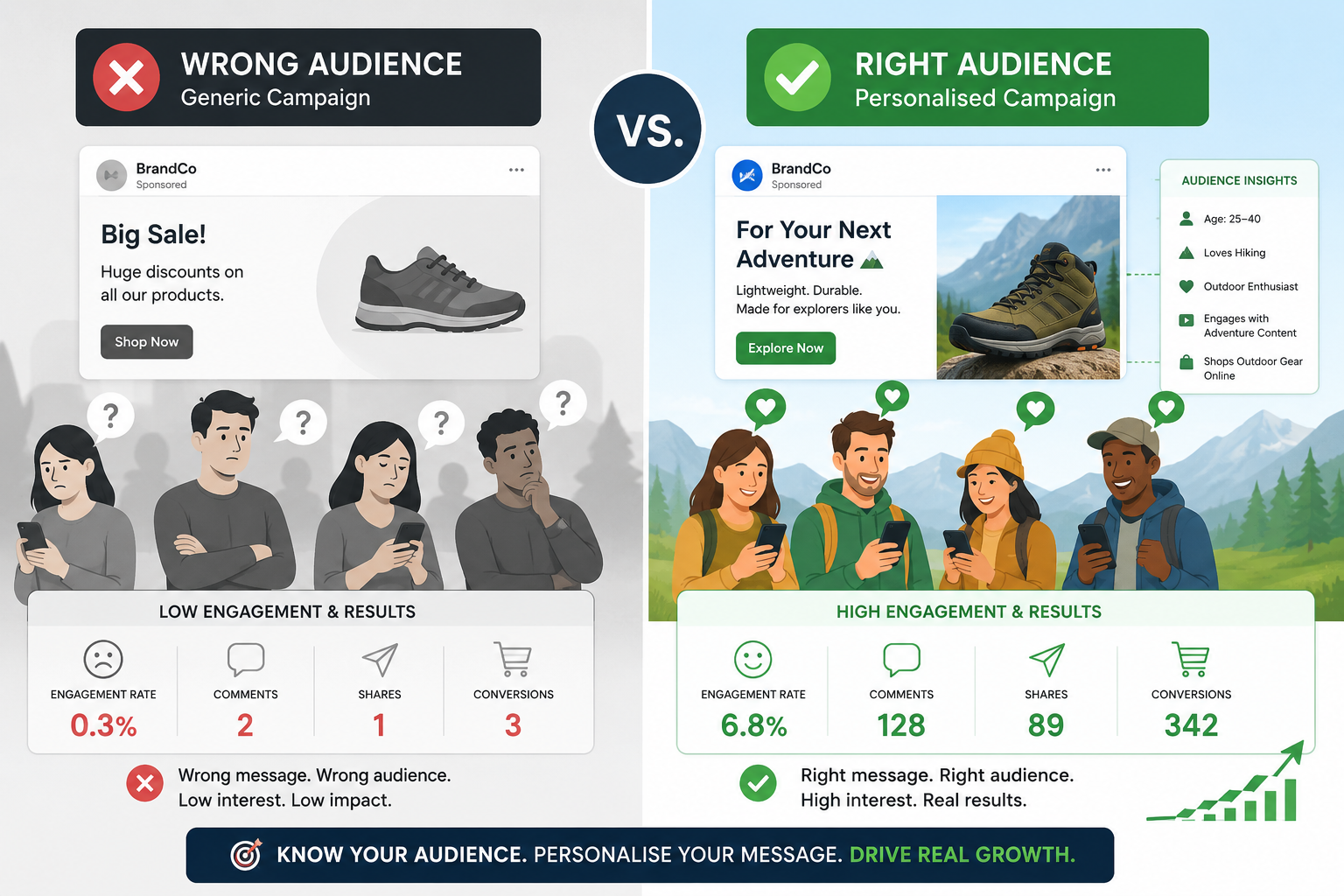
A fashion brand once launched a digital campaign that looked perfect on paper. The visuals were polished, influencers were on board, and the messaging felt trendy and aspirational. The marketing team expected massive engagement.
But after two weeks, the results were disappointing.
Clicks were low. Conversions barely moved. Audience engagement dropped quickly after launch. The team initially believed the problem was creative execution.
Then they looked deeper into the data.
Analytics revealed something surprising: the campaign was reaching the wrong audience segment. Most users interacting with the ads were outside the brand’s core customer demographic. Even more importantly, customer behaviour data showed that audiences responded better to practical, value-driven messaging than to purely aspirational content.
The brand adjusted its strategy immediately. Messaging changed, audience targeting improved, and content became more personalised.
Within a month, conversions increased significantly.
The difference was not luck. It was data.
This is the reality of modern business: the role of data in modern marketing is no longer optional; it is foundational.
What Is the Role of Data in Modern Marketing?
Data in marketing refers to the collection and analysis of information on customer behaviour, audience preferences, campaign performance, and market trends.
The role of data in modern marketing is to help brands make informed decisions rather than relying on assumptions.
Modern marketers use data to:
- Understand customer behavior
- Improve targeting
- Personalize campaigns
- Measure campaign performance
- Predict trends and opportunities
In today’s digital landscape, data acts as the bridge between creativity and strategy.
Role of Data in Modern Marketing for Audience Understanding
One of the biggest advantages of data-driven marketing is deeper audience understanding.
Brands today have access to valuable insights such as:
- Demographics
- Browsing behavior
- Purchase patterns
- Engagement metrics
- Search intent
These insights allow businesses to create more relevant and personalised communication.
The role of data in modern marketing becomes especially important because consumers expect brands to understand their needs and preferences.
Generic marketing is no longer enough. Personalisation driven by data creates stronger engagement and better customer experiences.
Role of Data in Modern Marketing and Campaign Performance
Marketing campaigns today are highly measurable.
Brands can track:
- Click-through rates
- Website traffic
- Social media engagement
- Conversion rates
- Customer retention
This helps marketers identify what works and what doesn’t in real time.
Instead of waiting until the end of a campaign, businesses can optimise strategies while campaigns are still running.
This demonstrates the true role of data in modern marketing, enabling smarter, faster, and more effective decision-making.
Role of Data in Modern Marketing Through Personalisation
Consumers respond better to personalised experiences.
Streaming platforms recommend content based on viewing behaviour. E-commerce brands suggest products based on browsing history. Email campaigns are tailored according to user interests.
This level of personalisation is only possible through data.
The role of data in modern marketing is essential because it helps brands deliver the right message to the right audience at the right time.
Personalisation not only improves engagement but also strengthens customer loyalty and trust.
Real-Life Example
Netflix — Data-Driven Content Strategy
Netflix is one of the strongest examples of data-driven marketing and business strategy.
The platform collects vast amounts of user data, including:
- Viewing preferences
- Watch time
- Search behavior
- Genre interests
This data helps Netflix recommend personalised content and even influence the type of original shows and movies it produces.
As a result, Netflix creates highly engaging user experiences that keep audiences connected to the platform.
This highlights the growing role of data in modern marketing in shaping customer experiences and business decisions.
Amazon — Personalisation at Scale
Amazon uses customer data extensively to improve user experience and sales performance.
From personalised product recommendations to dynamic email campaigns, Amazon leverages data to understand purchasing behaviour and customer preferences.
Its recommendation engine contributes significantly to overall revenue because users are shown products that align with their interests.
Amazon proves how the role of data in modern marketing can drive both customer satisfaction and business growth simultaneously.
Role of Data in Modern Marketing and PR Strategy
Data is no longer limited to advertising; it also plays a critical role in PR and communication.
PR teams now use data to:
- Monitor audience sentiment
- Track media coverage performance
- Identify trending conversations
- Understand public perception
This helps brands create more relevant narratives and manage their reputation more effectively.
The role of data in modern marketing extends beyond numbers; it shapes how brands communicate with audiences in meaningful and strategic ways.
Role of Data in Modern Marketing for Predictive Insights
Modern data tools allow brands not just to analyse the past, but also to predict future behaviour.
Predictive analytics helps businesses:
- Forecast consumer trends
- Identify emerging opportunities
- Optimize marketing budgets
- Improve customer retention strategies
This forward-looking capability makes data one of the most valuable assets in modern marketing.
Brands that understand predictive insights gain a competitive advantage in fast-changing markets.
A Subtle Anima Marcomm Perspective
Balancing Data and Creativity
From the Anima Marcomm communications perspective, data should guide creativity, not replace it. The most effective campaigns are built at the intersection of:
-
Audience Insights: Using analytics to understand behaviour and intent.
-
Strategic Thinking: Aligning creative goals with a clear brand roadmap.
-
Authentic Storytelling: Shaping a human narrative that resonates with the target audience.
-
Creative Execution: Bringing the strategy to life through high-quality visual and verbal expression.
Anima Marcomm maintains that while data provides clarity about audience behaviour, it is creativity that transforms those insights into deep emotional connections. In today’s digital landscape, successful communication requires a deliberate balance between analytics and human understanding.
Brands that rely only on creativity risk irrelevance, while brands that rely only on data risk losing their emotional resonance. The strongest strategies and the most enduring brand narratives- combine both.
How Brands Can Use Data More Effectively in Marketing
To maximise the benefits of data-driven marketing, brands should focus on:
1. Invest in Analytics Tools
Use platforms that provide actionable audience insights.
2. Prioritise Customer Understanding
Analyze behavior, interests, and engagement patterns.
3. Focus on Personalisation
Create tailored experiences instead of generic campaigns.
4. Track Performance Continuously
Monitor campaigns in real time for faster optimisation.
5. Combine Data with Creativity
Use insights to inspire stronger storytelling and communication.
Final Thoughts
Role of Data in Modern Marketing
In today’s competitive digital environment, marketing decisions can no longer rely on guesswork.
The role of data in modern marketing is transforming how brands understand audiences, create campaigns, measure success, and build long-term relationships.
Data helps brands become more strategic, more relevant, and more customer-focused.
However, the true power of data lies not in the numbers themselves, but in how brands use those insights to create meaningful experiences.
Because in the end, successful marketing is not just about collecting information, it is about turning insights into impact.